The pursuit of a refined skin surface often leads to questions regarding the efficacy of clinical interventions for post-inflammatory markers. Acne Scar Treatment serves as a foundational process in medical aesthetics, aimed at addressing the structural damage left behind by severe cystic or inflammatory breakouts. At Elcin Aesthetics, we approach skin health through the lens …

The pursuit of a refined skin surface often leads to questions regarding the efficacy of clinical interventions for post-inflammatory markers. Acne Scar Treatment serves as a foundational process in medical aesthetics, aimed at addressing the structural damage left behind by severe cystic or inflammatory breakouts. At Elcin Aesthetics, we approach skin health through the lens of cellular regeneration, recognizing that the journey to smoother skin is a marathon rather than a sprint. By understanding the biological mechanisms of repair, patients can align their expectations with the physiological realities of tissue remodeling.
The Biological Mechanism of Texture Improvement
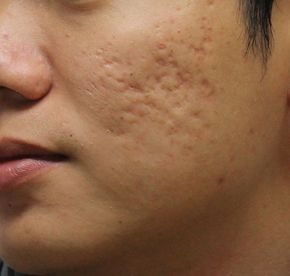
When we talk about making the skin feel better, we are mostly talking about how the dermis acts. When the body makes too much or too little collagen while a breakout is healing, scars form. The goal of acne scar treatment protocols is to start a controlled “secondary” healing response. This deliberate stimulation prompts the body to substitute disorganized scar tissue with organized, healthy collagen fibers.
Collagen Remodeling and Maturation
It takes time for collagen to form. After a clinical session, the skin starts a complicated inflammatory process that leads to the growth of new fibers. It can take a few months for this process of growing up to reach full strength. As these fibers tighten and rearrange, we can see that texture refinement becomes more obvious. This slowly fills in atrophic “pitted” areas or smooths out hypertrophic raised areas.
Addressing Pigmentation and Tone Uniformity
Acne can leave behind post-inflammatory hyperpigmentation (PIH) or erythema (PIE) in addition to physical indentations. These red or brown spots make the skin look uneven. At Elcin Aesthetics, we focus on speeding up the turnover of cells to get rid of these pigmented cells through regular clinical care. After several sessions, the melanin distribution becomes more even, which makes the tone look more even and neutral.
Modalities for Surface Refinement
Different kinds of scars need different technical methods. We put these treatments into groups based on how they affect the different layers of the skin.
Microneedling and Mechanical Stimulation
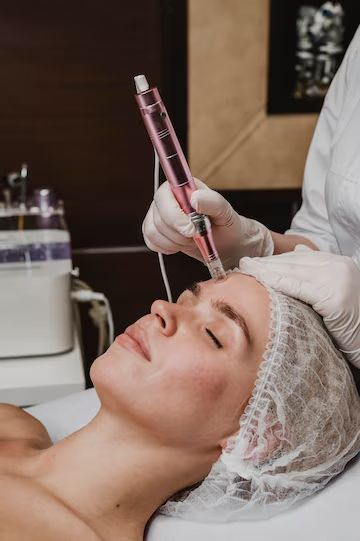
Microneedling is a key part of our plans to make the texture better. This process makes thousands of tiny channels in the skin using very thin, medical-grade needles. These little injuries make the body make growth factors on its own, without using heat. Microneedling is very effective for rolling and boxcar scars because it breaks up the fibrous bands that pull the skin down.
A lot of patients want to work on the texture of their mid-face, but some also ask about other aesthetic goals at the same time. For example, some people get lip fillers to make up for volume loss while they are getting a series of treatments to make their skin look younger. Lip fillers add volume to the lips, not the surface texture of the skin. However, keeping a balanced facial profile is often part of a full aesthetic plan.
Laser Resurfacing and Chemical Peels
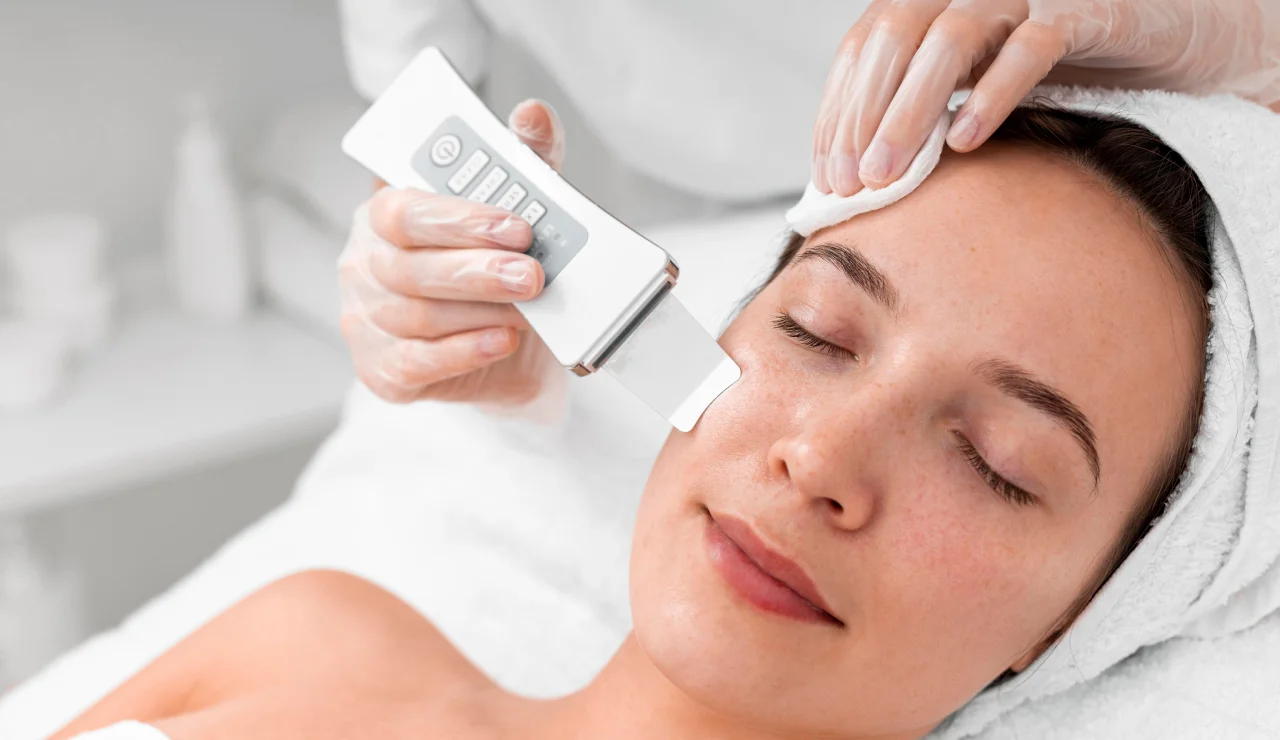
Laser technology makes it possible to hit damaged tissue with great accuracy. Ablative and non-ablative lasers create areas of heat that encourage deep remodeling. Medical-grade chemical peels also use special acids to get rid of the damaged outer layers of the stratum corneum. These methods are important parts of acne scar treatment because they make the skin grow back its surface, which makes shallow scars and fine lines less visible.
Realistic Timelines and Progress Tracking
Setting a realistic time frame for results is one of the most important things we do at Elcin Aesthetics. It takes about 28 to 40 days for skin cells to cycle, and collagen production takes even longer.
The Multi-Session Approach
One appointment is usually not enough to fix deep structural problems. We usually suggest four to six treatments, with a few weeks between each one. This space gives the skin time to heal and build on what it learned in the last session. We keep an eye on how the way light reflects off the skin changes over time. Smoother skin reflects light more evenly, which gives it a natural glow that people often mistake for a color change.
Recovery and Downtime Expectations
Clinical treatments entail a certain level of regulated trauma to the skin. You might see some redness, mild swelling, and peeling after a session. These are good signs that the skin is starting to heal. To make sure that the new, sensitive skin cells do not get damaged by UV exposure, which could cause more pigmentation problems, it is very important to follow a strict post-care routine that includes high-level sun protection.
Factors Influencing Success
Not all skin reacts the same way to treatment. The final result of any acne scar treatment plan depends on a number of biological and lifestyle factors.
Skin Type and Scar Depth
Ice-pick scars are deep and narrow, so they often need more treatment than shallow rolling scars. Also, people with darker skin need to be more careful to avoid getting hyperpigmentation. To keep things safe while getting the desired results, we adjust the strength of our lasers and peels to the Fitzpatrick skin type of each person.
Consistency and Medical-Grade Skincare
What happens at home must back up what happens at the clinic. Medical-grade skincare with retinoids, vitamin C, and peptides helps the body make more collagen. Doing these activities regularly helps keep the clinical sessions going. Like how you might use dermal fillers to keep a certain look over time, you need to keep your skin’s texture up to date to fight the effects of aging and stress from the outside world.
Long-Term Texture Refinement
The cumulative effect of these treatments results in a substantial alteration in the appearance and texture of the skin. The “valleys” of atrophic scars get shallower, and the “peaks” of the skin around them get smoother after more than a year of regular care.
Achieving Tone Uniformity
As the surface becomes smoother, the scars’ shadows also fade away. This change, along with the fading of red and brown spots, makes your skin look clear and healthy. Our protocols’ main goal is to make a surface that needs less corrective makeup and feels strong when you touch it.
Summary of Progressive Improvement
To sum up, clinical treatments for acne scar treatment work very well when done with care and accuracy. At Elcin Aesthetics, we help our patients reach their skin goals with confidence by focusing on collagen remodeling, balancing pigmentation, and making the surface smooth. It takes time, consistency, and professional supervision for the body to change from scarred to smooth tissue.
We invite you to talk to our experts if you are ready to start your journey toward smoother skin. Our main goal is to give you science-based solutions that are right for your skin type.